

.png)
-
Archita Shivhare

- Sep 15, 2026
- 6 minutes read
- 464 Views
Shadow AI now appears in 43% of security breaches. Here's what CEOs and directors need to know about the AI governance gap before it becomes a boardroom problem.
.webp)
-
Archita Shivhare
- Sep 07, 2026
- 4 minutes read
- 159 Views
India's 2026 festive season could bring 35-40% higher D2C traffic. Learn how to stress-test DNS, hosting, and CDN infrastructure before Diwali sales begin.
.png)
-
Archita Shivhare
- Aug 18, 2026
- 5 minutes read
- 229 Views
Managed cloud security services deliver continuous monitoring, threat detection, and compliance governance across cloud infrastructure — replacing reactive, perimeter-focused controls with identity-centric and data-centric protection.
-
Archita Shivhare
- Aug 13, 2026
- 6 minutes read
- 269 Views
Static firewalls and threshold-based DDoS protection are no longer enough — the attacks targeting your business in 2026 bear almost no resemblance to the volumetric floods those tools were designed to stop.
-
Archita Shivhare
- Aug 07, 2026
- 5 minutes read
- 312 Views
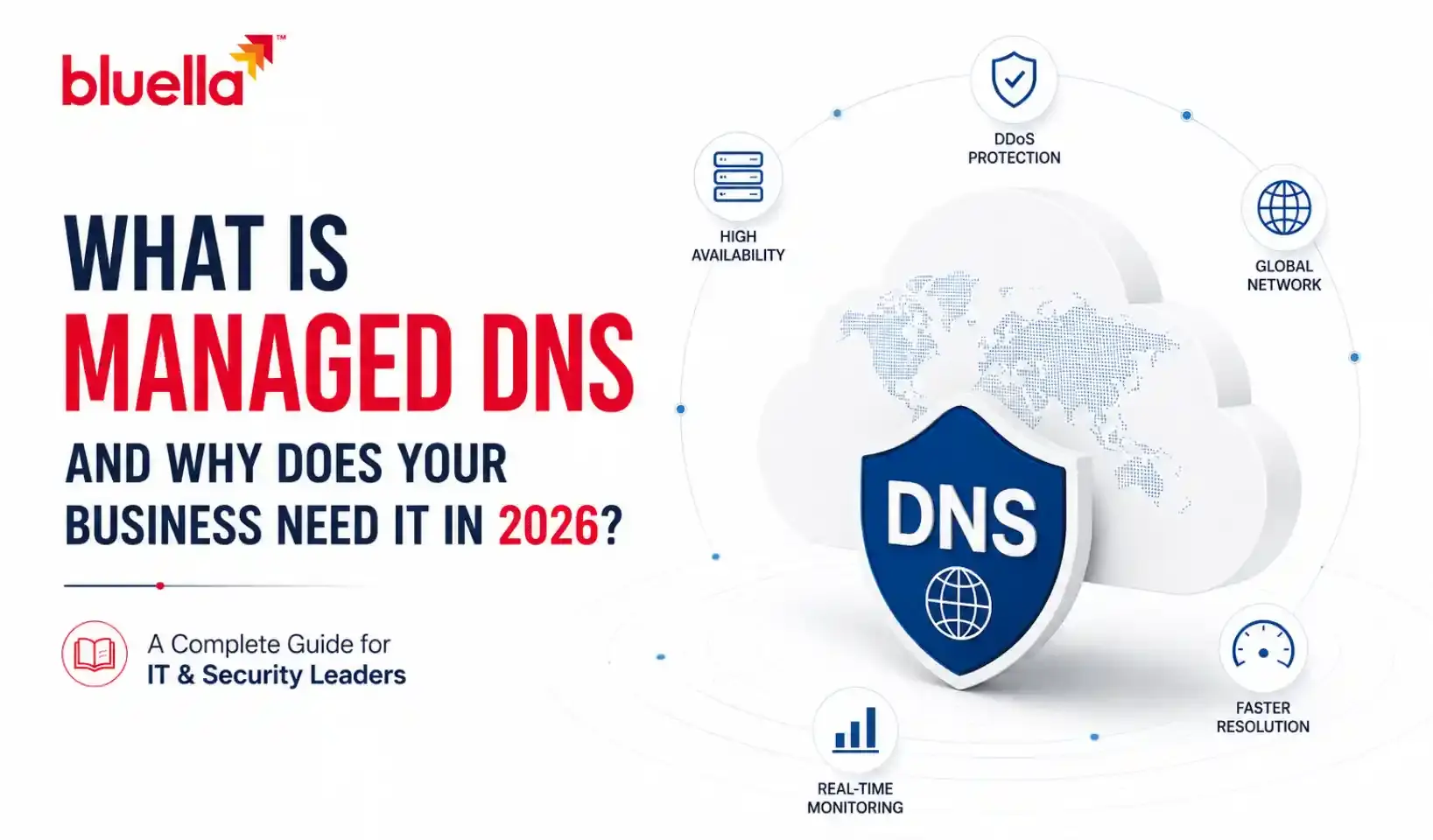
Managed DNS is a service where a third-party provider hosts, monitors, and secures your Domain Name System infrastructure instead of your in-house team managing it manually.
.png)
-
Archita Shivhare
- Jul 28, 2026
- 5 minutes read
- 270 Views
Every startup dreams about its first million-dollar customer, the next funding round, or becoming the next industry disruptor. Very few think about the security alert that arrives at 2:17 AM.
.png)
-
Archita Shivhare
- Jul 21, 2026
- 4 minutes read
- 270 Views
As organizations accelerate their digital transformation, cloud platforms like Amazon Web Services (AWS) have become the backbone of modern business operations. While the cloud offers unmatched scalability, flexibility, and performance, it also introduces new security challenges that require continuous attention.
-
Archita Shivhare
- Jul 10, 2026
- 4 minutes read
- 306 Views
Learn what Cloud Sovereignty means, why it matters for modern enterprises, and how it helps businesses improve security, compliance, and control while reducing vendor lock-in.
-
Archita Shivhare
- Jul 02, 2026
- 4 minutes read
- 286 Views
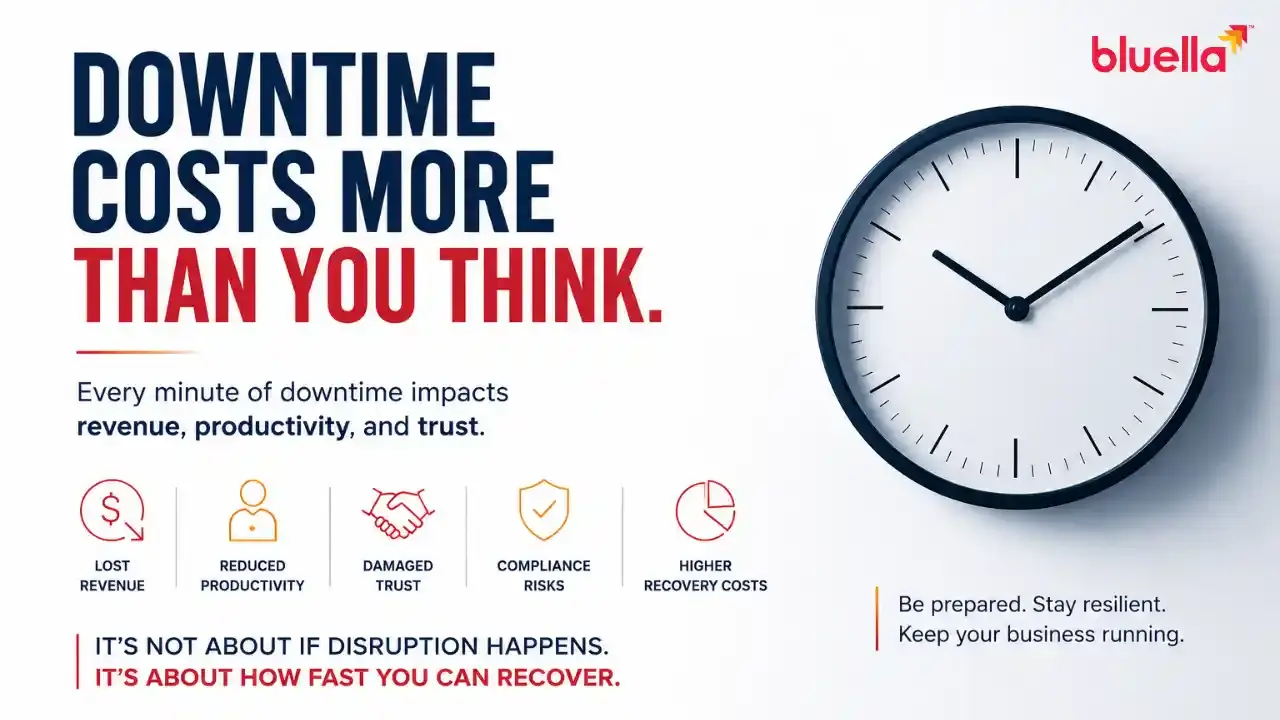
Discover the true cost of business downtime and learn how Backup & Disaster Recovery, Business Continuity, and Cyber Resilience can protect your organization from financial and operational losses.
-
Archita Shivhare
- Jun 26, 2026
- 3 minutes read
- 321 Views
Discover how Managed IT Services help businesses reduce IT costs, improve cybersecurity, strengthen business continuity, Managed IT Services for small business and optimize cloud infrastructure with Bluella.
-
Archita Shivhare
- Jun 02, 2026
- 3 minutes read
- 451 Views
Yet many organizations still struggle with rising cloud bills, underutilized resources, performance bottlenecks, downtime risks, and infrastructure that struggles to keep pace with evolving business demands.
-
Archita Shivhare
- May 22, 2026
- 4 minutes read
- 526 Views
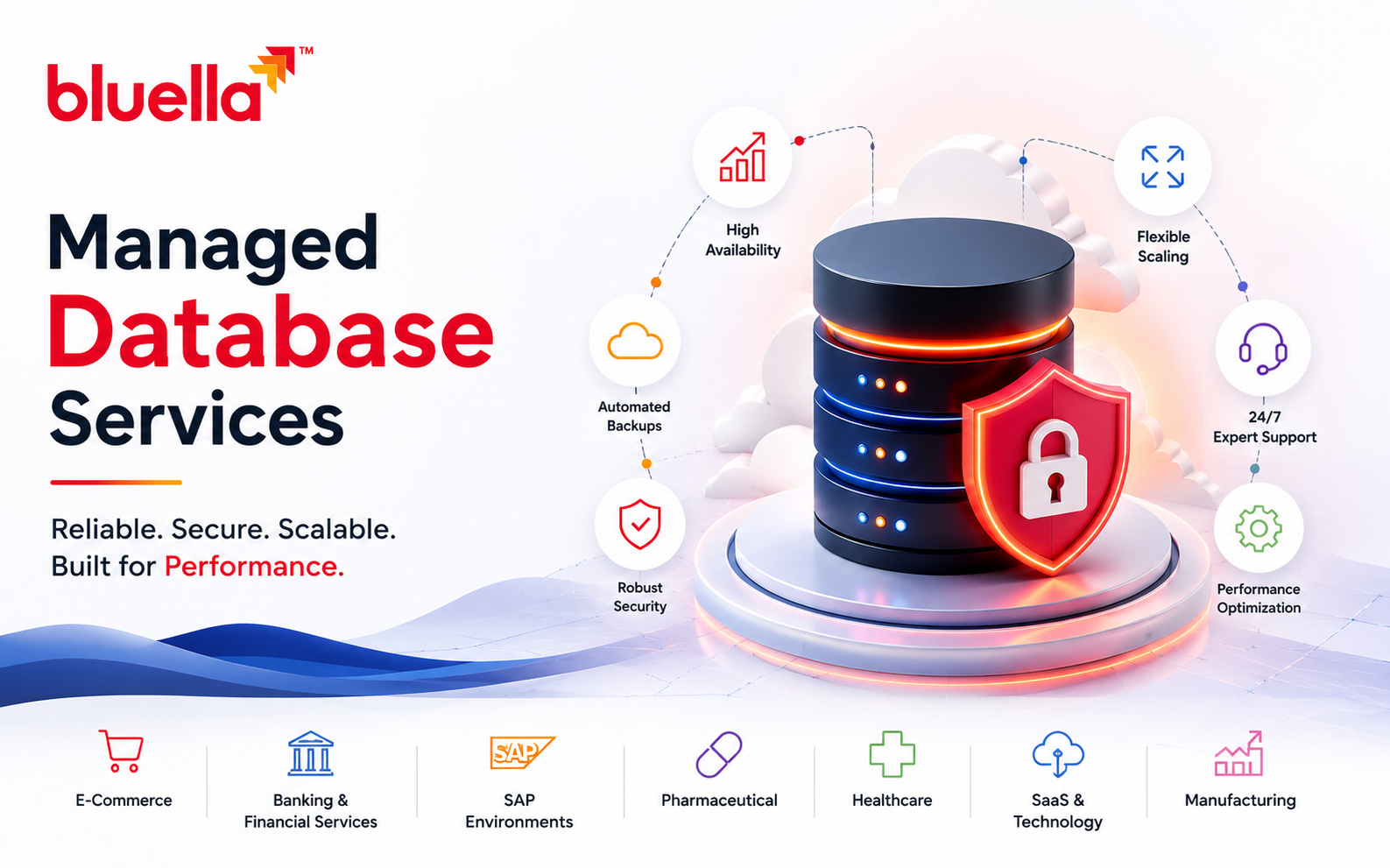
Data has become one of the most valuable assets for businesses today. Whether it’s an online marketplace handling thousands of transactions every minute, a financial institution processing sensitive records, or a pharmaceutical company managing critical research data, database performance directly impacts business outcomes.