


Once an application’s efficiency drops, the first thought often leads to focusing on cloud designs, balancing server loads, or optimizing the code. DNS is not usually the initial suspect. This is exactly why DNS misconfiguration quietly becomes the most costly blind spot in today's IT environments.
DNS has evolved. Now, it plays a crucial role as the primary choice point for every digital engagement, impacting latency, availability, and the user experience directly. DNS performance issues do not prompt immediate disruptions in operation; instead, they induce a gradual weakening, silently, incessantly, and across a wide scope.
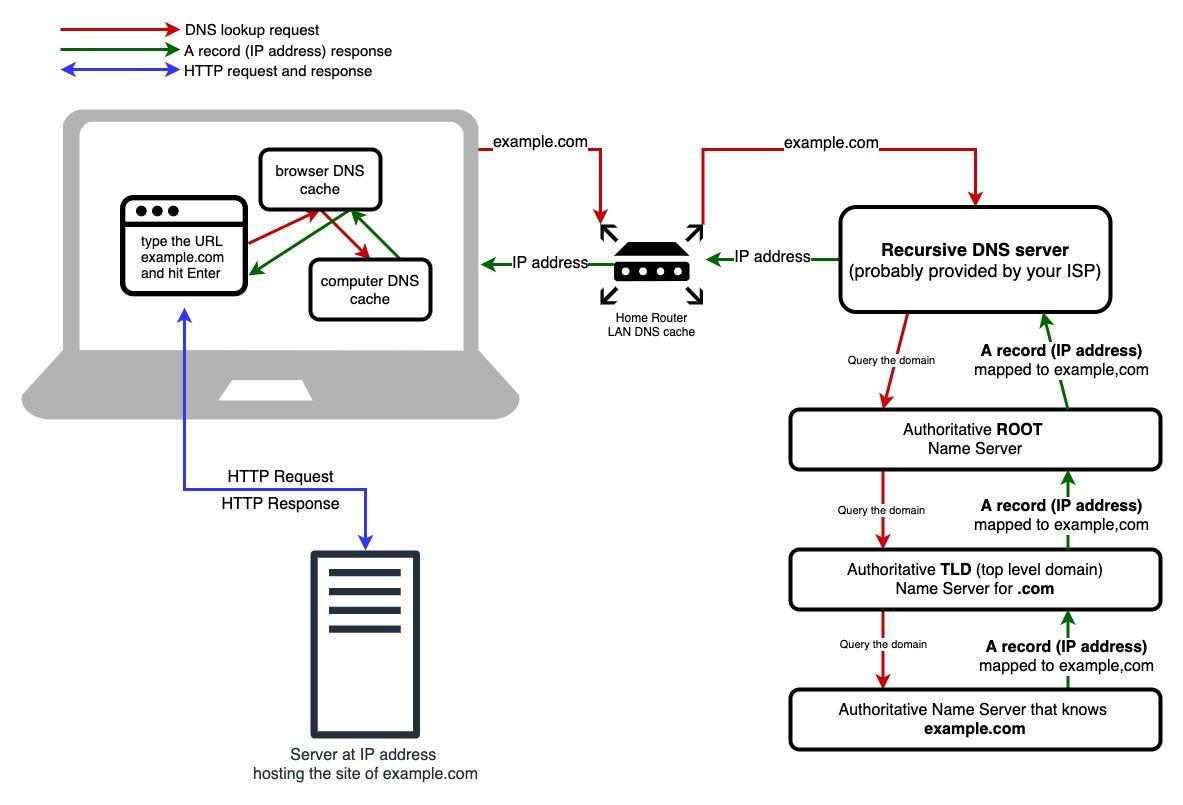
In India's swiftly expanding digital landscape, where SaaS platforms, fintech applications, healthcare systems, and eCommerce enterprises rely on real-time performance, inefficiencies, DNS latency in India results in a direct loss of users and revenue.
DNS Misconfigurations That Impact Performance More Than You Realize
One of the most commonly overlooked issues is incorrect TTL configuration. Excessive TTL values can hinder failover processes amid outages, whereas inadequate values might overwhelm resolvers with DNS traffic, causing delays and escalating operational costs. Neither situation is clearly visible in traditional monitoring tools, yet both can adversely affect performance during peak traffic periods.
A further significant concern is the reliance on a single DNS provider. Many organizations assume that using one DNS provider guarantees redundancy. However, in reality, regional DNS latency or outages specific to the provider can hinder or completely block access for large segments of users, especially across India's geographically varied network paths.
Improve your response time now!
Additionally, the lack of latency-based or geo-aware routing presents a problem. When users in Mumbai or Bangalore are directed to endpoints outside their region due to static DNS settings, application speed suffers. For the end user, this translates to a "slow app." For the business, it results in higher bounce rates and diminished engagement.
Perhaps the most detrimental approach is treating DNS as separate from traffic management and security strategies. DNS that is not synchronized with CDN performance, DDoS protection, or failover planning leads to fragmented optimization, where no single component truly operates at its peak. This is where DNS architecture design becomes a strategic necessity.
Why DNS Performance Issues Remain Unnoticed
Most monitoring systems evaluate uptime rather than resolution quality. Intermittent DNS failures can occur based on region or timing. They may resolve themselves before alerts are generated, well after users have encountered delays or service disruptions.
This is the reason DNS problems are often incorrectly attributed to cloud providers or application code. The actual issue lies quietly at the entry point.
The Business Cost Of Overlooking DNS
Even a delay of a few hundred milliseconds in DNS response can adversely affect API response times, checkout processes, and authentication methods. Consequently, this brings about customer exits, a surge in help demands, and a fall in trust, mainly for firms that are scaling up and exploring managed DNS services in India.
Progressive organizations are now viewing DNS as a performance control plane, rather than a background utility.
A More Intelligent Approach To DNS Performance
Contemporary DNS architecture should facilitate intelligent traffic routing, multi-provider resilience, real-time analytics, and seamless integration with security and performance layers.
This is where Bluella takes a different perspective on DNS, not as a mere commodity service, but as a vital strategic performance layer. By constructing DNS architectures that emphasize latency optimization, resilience, and visibility, Bluella assists businesses in ensuring that performance issues do not arise before the application even loads.
Because if your application performance continues to feel erratic, the issue might not lie within your cloud, it could be rooted in the DNS decisions you're overlooking. Talk to us today.